AI-Powered Online Harm Intelligence and Investigation Platform
Industry
Cyber Security
Product Type
Intelligence
Duration
2 Year
Year
2026
Project Overview
Be Data Solutions Limited designed and developed a digital intelligence platform to help
organizations proactively identify, analyze, investigate, and manage harmful online content from multiple public and direct-reporting channels.
The solution combined automated data ingestion, AI-based content analysis, structured case management, investigation workflows, intelligence dashboards, and reporting into one unified system. It enabled content collection from social media, news and magazine sources, public reporting forms, browser extensions, web SDK integrations, mobile apps, and phone-based reports.
Business Challenges
Fragmented Monitoring Across Multiple Channels: Harmful or risky content could appear across social platforms, news media, public submissions, websites, mobile reports, and phone calls, making manual monitoring difficult and inconsistent.
High Volume of Unstructured Data: The platform needed to transform raw, multi-format content into normalized, structured intelligence that could be reviewed and acted on efficiently.
Need for Faster Detection and Investigation: Investigators needed a faster way to detect harmful content, identify publishers, trace related posts across platforms, and understand how content spread.
Lack of Centralized Case and Insight Management: Without a unified system, reports, analysis results, investigations, and actions could become disconnected, reducing visibility and slowing response.
Solutions Delivered
Multi-Channel Data Ingestion Engine: The platform ingested content from public social media, newspapers and magazines, public report forms, browser extensions, embedded web SDKs, mobile apps, and phone call reports. This created a broader and more reliable intelligence intake pipeline.
AI-Based Detection and Processing Pipeline: Incoming data was normalized into a standard structure and passed through AI-based detection and sentiment analysis workflows. Relevant negative or harmful content was automatically flagged and routed for monitoring and case creation, while non-relevant items were filtered out.
Central Case Management Workflow: Flagged items and incoming reports were converted into structured cases inside a central case management workflow, where they could be assigned, investigated, referred, and tracked through resolution.
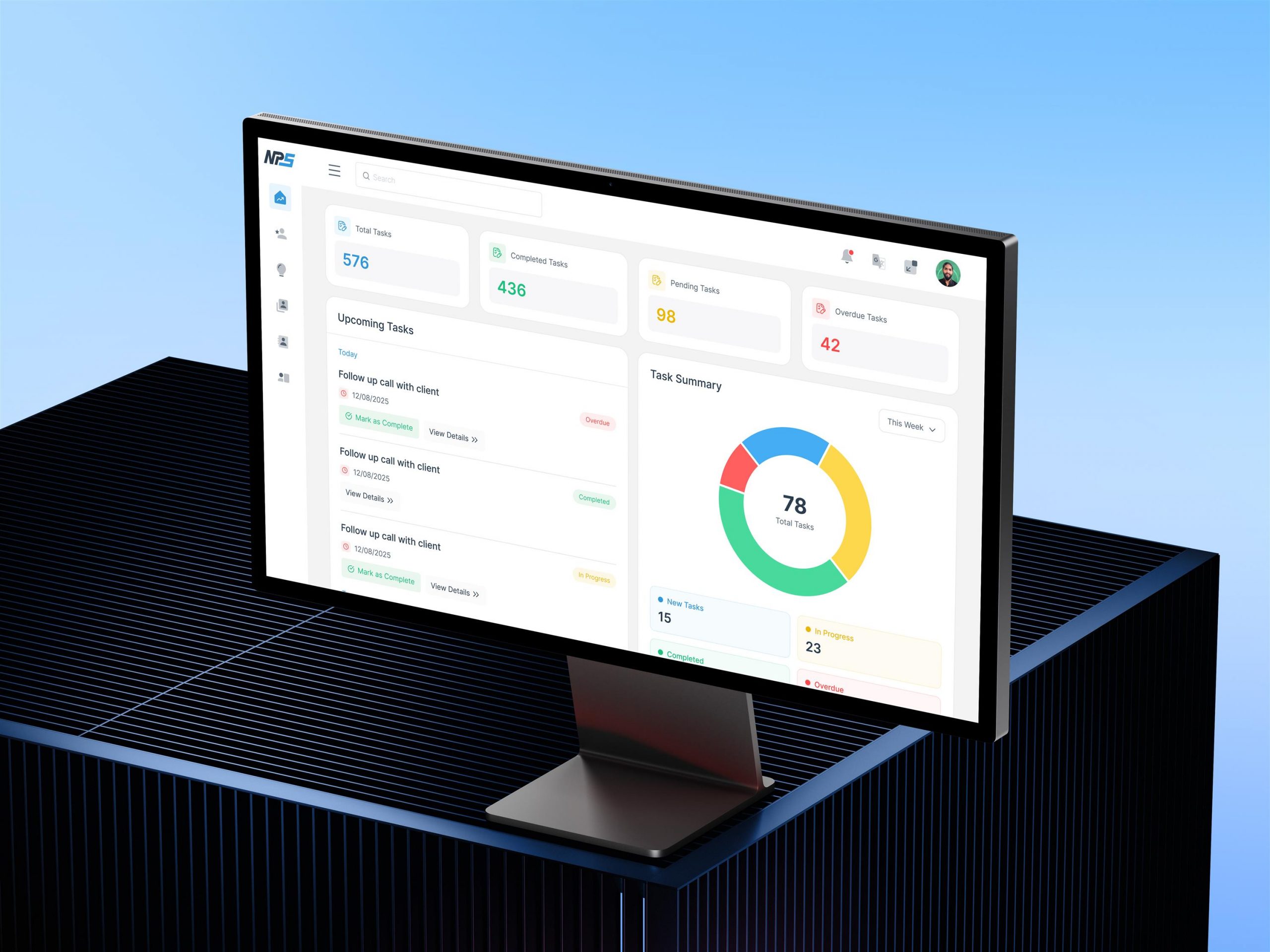
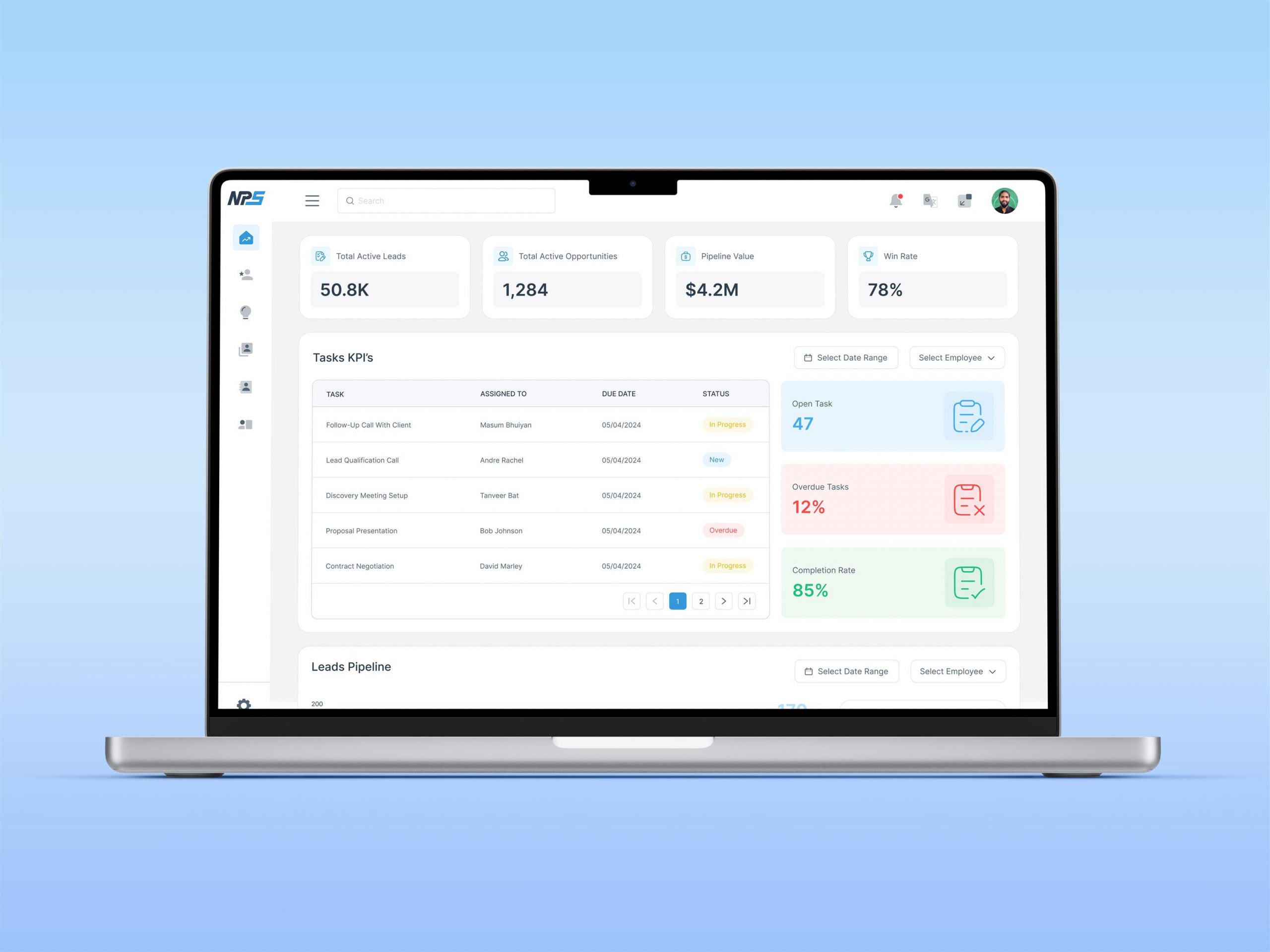
Interactive Intelligence Dashboards: The system delivered dashboard-based visibility into harmful content trends, incidents, reporters, source risk patterns, case status, and operational activity. The dashboard pages in the document show overview metrics, source-based analysis, category breakdowns, timelines, and case insights.
Cross-Platform Investigation and Intelligence Reporting: The investigation workflow supported finding related content across platforms, detecting likely original posts based on timeline ranking, extracting content-level metadata, identifying publishers across platforms, and producing comprehensive intelligence reports.
Positive Intervention Support: The platform also included a bot-assisted counter-speech workflow to help teams respond quickly and constructively after detecting harmful content on targeted channels.
Results & Outcome
Delivering Impactful Results Across Key Performance Areas
Faster Detection of Harmful Online Content
The automated pipeline reduced dependence on manual monitoring by continuously collecting and screening content from multiple channels. This is the intended operational outcome shown by the ingestion and AI analysis stages.
Improved Investigation Efficiency
Investigators could move from a single suspicious post to a broader intelligence picture through related-content discovery, publisher analysis, cross-platform identity matching, and network-
level insights.
Better Case Coordination and Tracking
By converting flagged content and reports into structured cases, the platform improved case ownership, workflow visibility, and follow-through across teams.
Stronger Decision-Making Through Real-Time Dashboards
Interactive dashboards gave teams faster access to operational and intelligence insights, helping them monitor trends, prioritize incidents, and track case activity.